
Watch wildlife without turning the visit into an encounter
Cape Point wildlife is part of a protected coastal landscape, not a managed list of guaranteed safari sightings. SANParks names eland, red hartebeest, bontebok and zebra in the fenced Cape section. Baboons are also the focus of specific visitor precautions. Seeing a species listed for the reserve is different from expecting it beside a particular road or lookout.
Plan wildlife observation around the places you are already visiting and leave animals space to move. A peninsula tour can introduce the scenery without becoming a specialist safari. Compare the actual route on the tour page, and use the wildlife guidance here whether you arrive with a guide or drive yourself.
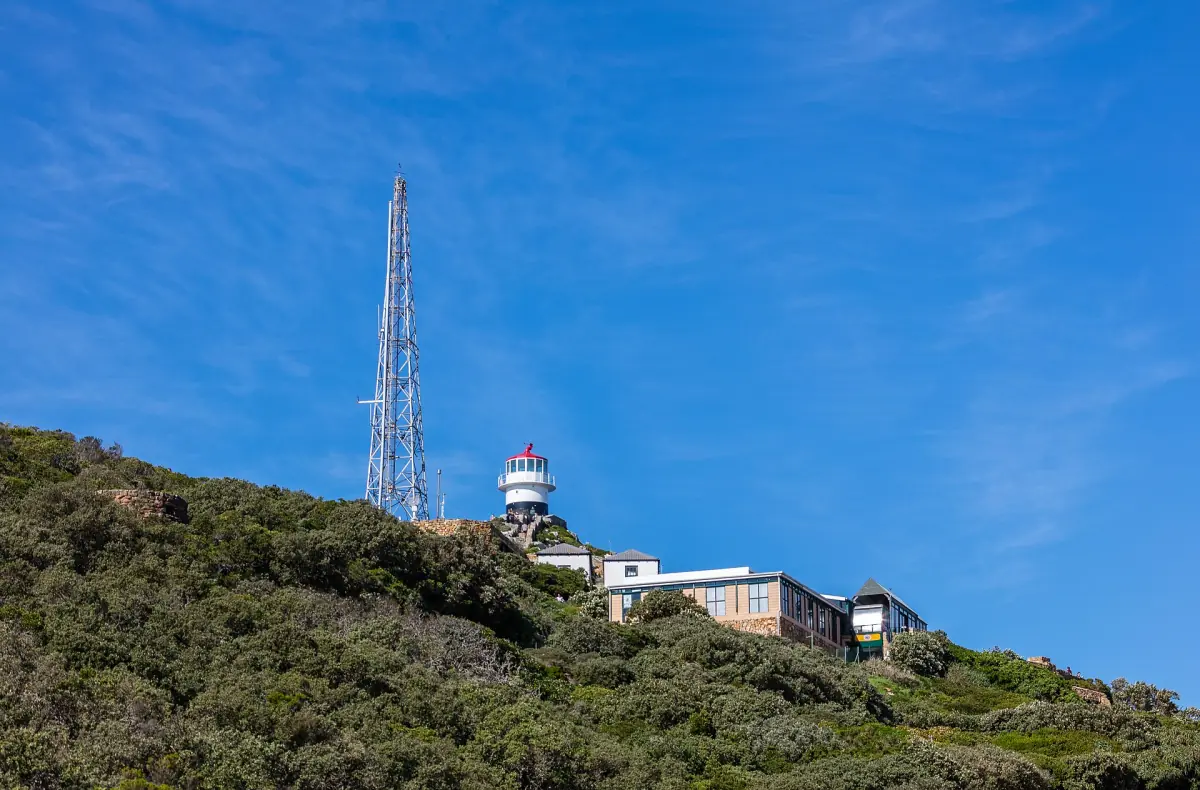
An organised Cape and penguin visit
A small-group road trip combines the Cape landscape and penguin stop without promising wildlife sightings.
Hand-picked tours, booked through GetYourGuide. Prices are indicative starting prices in US dollars (as of October 2026). Tap a tour for live availability and the current price in your currency.
Compare Cape Peninsula tours
Compare routes from Cape Town, with park entry and other inclusions checked for each option.
Baboons: manage food and the vehicle
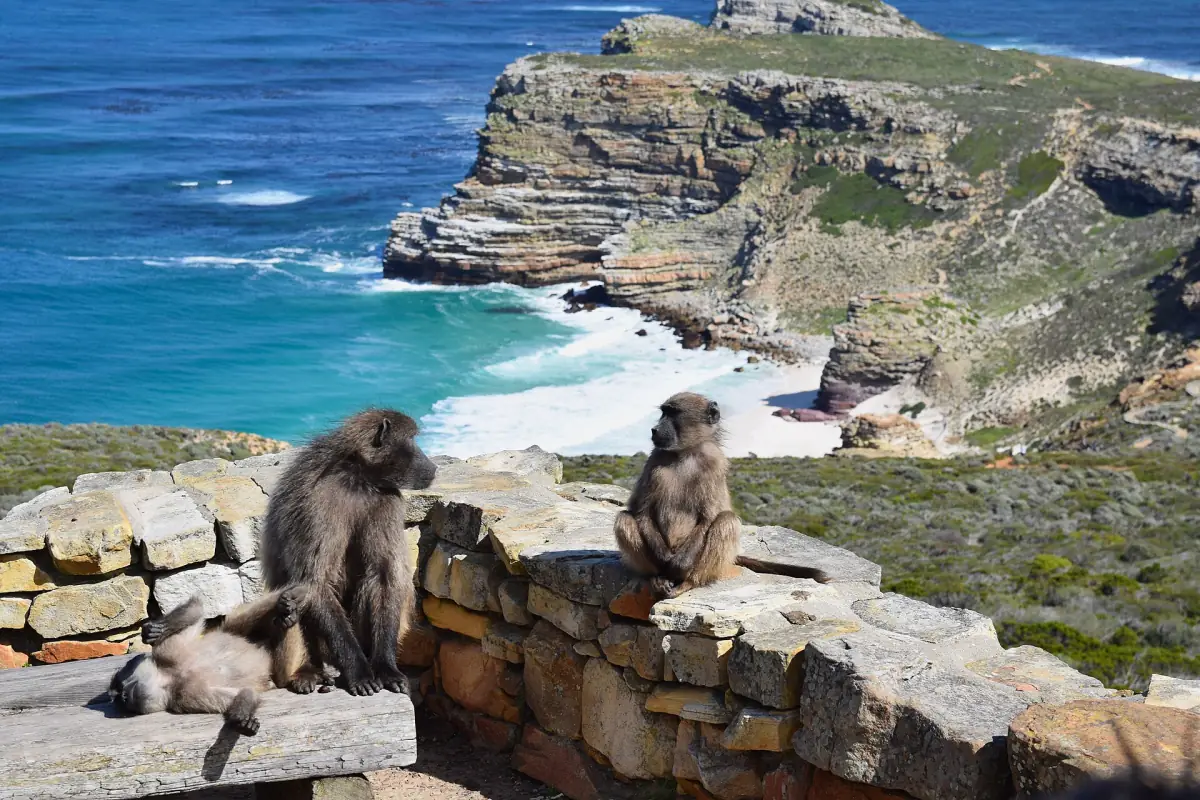
The park's visitor guidance says not to feed baboons and not to eat or drink near them. Keep vehicle doors and windows closed, lock the car and avoid leaving food visible. These precautions matter even during a short stop. Before stepping away from the vehicle, organise bags and food so that you are not creating an invitation to investigate them.
Do not approach young animals. If a baboon encounter occurs, stay calm, increase your distance and leave an escape route. Do not try to retrieve an item while the animal remains interested in it. This is not a reason to stage a close encounter for a photograph or to use food to direct an animal towards the camera. Follow the staff instructions on the day and let the animal move away.
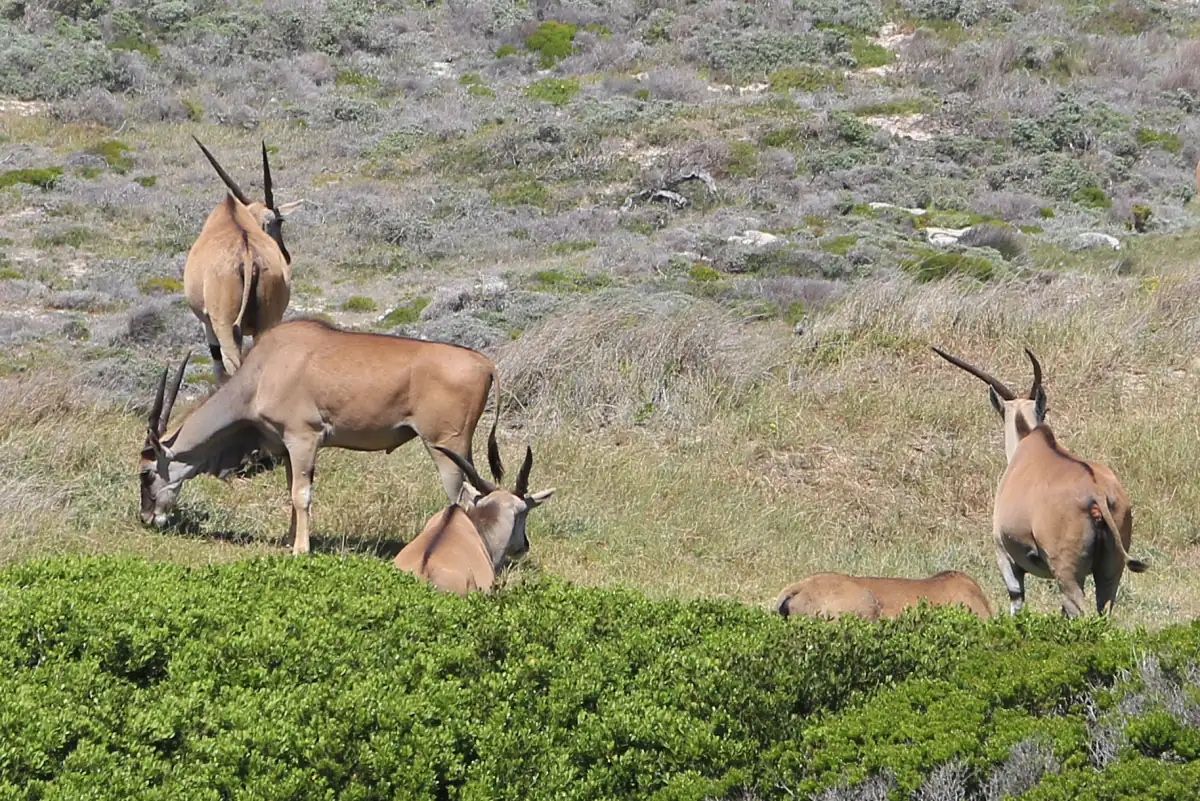
Antelope and birds along the visit
The named antelope and zebra show that this landscape protects more than the coastline alone. Watching from a permitted visitor area may add another dimension to the day, but the itinerary should still work if no particular animal appears. Slow observation is different from pursuing an animal across vegetation or leaving the allowed route to get closer.
The same principle applies to birds. Do not feed, touch or disturb animals or birds, and do not take plants from the reserve. A camera or binoculars can support observation without changing those boundaries. If wildlife photography is one of your interests, choose a place where you can watch from the permitted route. A general nature or wildlife theme is not evidence of an exclusive photographic service, access to a nest or a guaranteed sequence of species.
Keep the wider coastal visit safe
Watching wildlife does not remove the need to plan the path, weather and return journey. The coastal route can expose you to changing conditions, so choose suitable clothing and read the weather guide before setting out. If adding a walk, use the walking information and follow the marked route and current instructions. Do not let a distant animal draw you onto an unsuitable path or into a closed section.
Recreational drones are not permitted to overfly the national park. Do not treat an aerial photograph as a reason to launch one from a viewpoint or roadside. The beach guide also distinguishes the coastal places and their water-access rules. A wildlife stop beside the sea is not permission to swim, climb beyond a barrier or ignore the gate timetable. Give the animals and the place time without making a close encounter the measure of whether the day was worthwhile.
Questions before your visit
Can I be sure to see baboons or antelope?
No sighting is guaranteed. The park records species in the protected area, but their presence does not establish a time or location for your visit. Plan the scenery and permitted activities as well, with wildlife observation as a possibility.
Can I feed an animal to get a better photograph?
No. The park forbids feeding animals and birds. Food can change the encounter and draw wildlife towards people or vehicles. Keep it out of view around baboons and photograph from the permitted visitor areas without trying to position an animal.
What if a baboon becomes interested in my belongings?
Stay calm, increase distance and keep an escape route clear. Do not try to reclaim an item while the animal remains interested in it. Avoid approaching young baboons and follow any instructions from park staff at the scene.
Can I use a drone for wildlife photographs?
Recreational drones may not overfly the national park. The rule is separate from ordinary photography on the visitor route. Use your camera from a permitted place and avoid disturbing animals, birds or other visitors while doing so.